Journal Entry #8 // REFLECTIONS
ELEVATOR PITCH:
My dream organization is a networking co-op: a shared creative space, a way to connect as you work toward your goals, and so much more. I want users, whether members or one-time visitors, to take advantage of a safe, inclusive, energetic environment and build time for their own dreaming, strategizing, and enrichment. Through hybrid, in-person, and virtual meet-up events, co-op community can sign up for mentorship, or share their skills with others, or work in collaboration with groups. A co-working space where there’s room for growth and connections, celebrations, conversations, and care.
I would encourage anyone interested in finding time for their own personal or professional creativity to email or message me. We can set up a brief coffee, virtual, or walking meeting where I can learn about any goals, ideas, or projects they might be interested in sharing at a co-op open meeting. I would also share the vision, mission, and current structure that I created (see “what we do” in one of my previous journal entries below).
Course Materials - Past & Future:
Specific materials that were most impactful to me that I would recommend to others include Geoffrey Cohen’s Belonging and Kate Raiford’s Doughnut Economics. Both inspired me to dig deeper and consider who is in the collective “we” when discussions about current affairs arise. I think my past self could have truly benefitted from Doughnut, as a good framework to understand/unpack our current economy and mindset – “the discussion of how society manages its scarce resources,” and my future self can constantly use lessons from Cohen’s text. Specifically: “Belonging is less like a keystone belief and more like a perception that’s continually being re-created anew in every situation.” There was so much rich, meaningful content we reviewed during the course, and I look forward to spending time taking it in on my own timeframe and speed limit.
Dear future student,
Prepare yourself! For a lot of work: in reading, listening, watching, learning, deep thinking, collaborating, sharing. But also – prepare yourself! For so much expansion: making room to pay attention to that gentle, constant, just-below-the-surface THING that’s on your conscience. This course will make you honor that special knowing you hide away (because you don’t have time, it’s too scary, it’s unrealistic, it’s impractical, it takes energy you don’t have…insert whatever excuse you’ve got here). I am excited that you get to have this class to workshop your own authentic ideas, to learn from a unique, once-in-a-lifetime combination of diverse peers, and to build a little home that you’ll go to for a few hours each week, where time is dedicated for listening to how your peers are applying new concepts.
This course changed many things for me – how I view the economy, along with the importance of situation-crafting, forecasting, and strategy. The combination of readings, articles, videos, and podcasts complemented the class discussions, online journals, and asynchronous posts we got the privilege of reading/consuming—experiencing how our classmates were applying the learnings, what they were struggling to grasp, or how they were inspired. It was a truly special environment.
My hope for you, future student, is that you are able to enjoy and appreciate your peers and build a learning community for the next several weeks. Endless combinations of projects and ideas you might create together are waiting – soak it in!
Journal Entry #7
Elements of Emergent Strategy:
I see emergent strategy in the running apparel brand, PYNRS. Sidney’s community-based approach to his run club grew an apparel business focused on serving diverse people.
PYNRS Launch Video
“In a world accustomed to separation, running the streets you don’t live on along with others who don’t look like you can be an act of revolution.” - Sidney Baptista, Founder of PYNRS
Toolkit items:
Charette: use this model to work toward conflict resolution and solution-seeking; engage a diverse community around a topic
Appreciative Inquiry: thoughtful technique for examining and worldbuilding; questions go deep and focus on positive outcomes
Liberating Structures: disruptive, creative, active options to make organizational change and engage in serious play
Tressie McMillan Cottom’s Big Homie Tips: inspirational and affirming must-view on following your authentic creative path
Community Agreements: build trust and psychological safety with desired group norms, strategies for gentle accountability, and more
Frankl’s Man’s Search for Meaning: must-read that introduces the existential vacuum concept
For Further Exploration: Free Write
KeyAnna Schmiedl’s Your Career Path Doesn’t Have to Be a Straight Line will be a resource to return to as I continue to build on my work after this course. I loved her analogy of a rock wall vs a ladder when thinking about career development. As a young college grad from a liberal arts university, I was not sure what jobs to look for and landed an administrative position early on. The career path I walked just built on those administrative skills - I advanced to an executive level over many years. Throughout those years I languished - I knew I had a desire to do something more creative and interactive and yet didn’t feel I “deserved” it or was qualified for roles based on my experience. Luckily I found a bit of resolve and self-awareness and figured out how to start advocating for myself and how to build meaning into other everyday areas of my life, but KeyAnna’s message is a great inspiration and offers strategic tips for navigating and ultimately finding your way.
sustainable leadership and coalition-building work:
Solidarity-based frameworks: a focus on addressing income inequality, economic insecurities, and social and racial division.
Situation-crafting: to change people - change the situation. Acting in the space changes the space.
Feminist Economics: A gender-aware, inclusive framework, valuing care work and other unseen/emotional labor.
Museum of Values: Keeping objects present that ground members and reaffirm shared vision and mission.
I think Eve Rodsky’s work is a great example for someone to grasp the idea of feminist economics. Her book, cards, and other tools center on “home equity” - closing the gap in domestic responsibilities and other invisible work in the home.
Journal Entry #6
Show, don’t tell: I think I could film a short video of a conversation circle when I do a mini critique session with friends. This format I think would best show the power of collaborations and showcase the psychological safety already within my network of friends. It could be a charette – we could focus the video on one person’s project, and provide guided steps on how we will give feedback.
Practical Imagination: So far, I see practical imagination in the structure of the co-op; the focus on personal and professional – in creating space for people to share and build toward their own dreams and goals. I think it presents a paradigm shift – for someone to focus not just on their career ambitions, but their entire life. To build a space that emphasizes taking time to work on whatever you are driven to work on, with resources to help, including a community of experts and mentors to lean on.
I can’t find the specific episode because it was so long ago, but a podcast I find inspirational is Ali on the Run – she hosts a series called “Ali & the Experts,” where she interviews folk who are runners about their career (most have day jobs!). It was on one of these episodes where I first heard the guest talk about having a “personal board of advisors” – something I loved and shared with a friend (and I am now in his run club “cabinet” 😉). I followed her when she was a blogger and have been along for the ride as she turned her passion for running into a full-time job, with a very successful podcast. It’s inspiring that she leaned into the thing she loved doing and turned it into her “job.”
Sustainable Trajectories
Some of the concepts and strategies from Unit 2 that I can use to frame a sustainable trajectory for the co-op include the use of respectful inquiry, from the Phelps and Quaquebeke article, and monitoring outcomes before and situation-crafting to promote fairness in the workplace, from Belonging. One easy to understand concept I could share with someone is the use of uniform/consistent questions in a hiring or review process – being able to eliminate unconscious bias. That is something my current organization adopted a few years ago, and I now love participating in hiring committees because it feels so much better. I could also use respectful inquiry to ask someone a few questions, then share the technique I just used on them (asking open questions and listening attentively).
Capacity-Building Free-Write
I definitely want to explore a lot more from this week’s materials – specifically the What is Feminist Economics video. The concept of care work is somewhat new to me, but something I spend a lot of time thinking about, particularly because I see my sister and brother-in-law, both educators, struggling to manage taking care of their two dogs, two children, and their own wellbeing. While both have demanding, emotionally difficult, and neverending work to do in the classroom, it’s my sister who takes on the burden and bulk of the care work in their household. There is never enough time, and everyone is stressed out. I know my brother-in-law cares deeply for their family and is trying his “best” – but I kept wondering if part of the problem might be that he sees care work as non-productive economic work, as suggested by Strassmann. I just think there’s so much we take on in society as women and I agree that more research needs to go into this unpaid work. I constantly think about the emotional labor and hours of care I put into certain parts of my job, that none of my male colleagues have ever acknowledged or even seemed to notice. I am looking forward to digging more into this concept.
Transformational Capacity-Building
I think the Stanford Social Innovation Review on Transformational Capacity Building is a great resource. One model I think our co-op will absolutely adapt is cultivating networks to generate power and change systems. The group activities at the co-op will be spaces where folk can connect, learn, and create together, thus building a powerful and resilient community. The members of co-op will be building and strengthening systems, structures, cultures, skills, resources, and power needed to serve their communities.
Journal Entry #5
prototype:
Something I have been exploring for the co-op is the creation of a living, breathing workshop site, where members can share their work in progress, to get and give real-time reviews, mentorship, advice, and encouragement. This would enable a flexible and rolling resource for the group to use as much or as little as they desire. This could be a tool for our own 360-degree feedback – a way for members to share thoughts, ideas, and feedback on how their experience is going. I think we could develop a survey with the option to respond anonymously and keep the link live on the site.
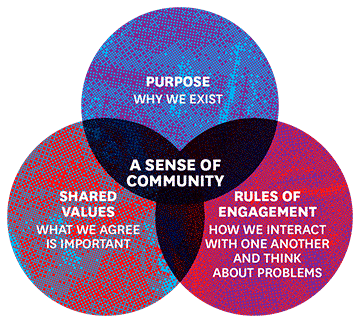
situation-crafting/collective genius:
“Truly innovative groups are consistently able to elicit and then combine members’ separate slices of genius into a single work of collective genius.” (p. 21, Collective Genius)
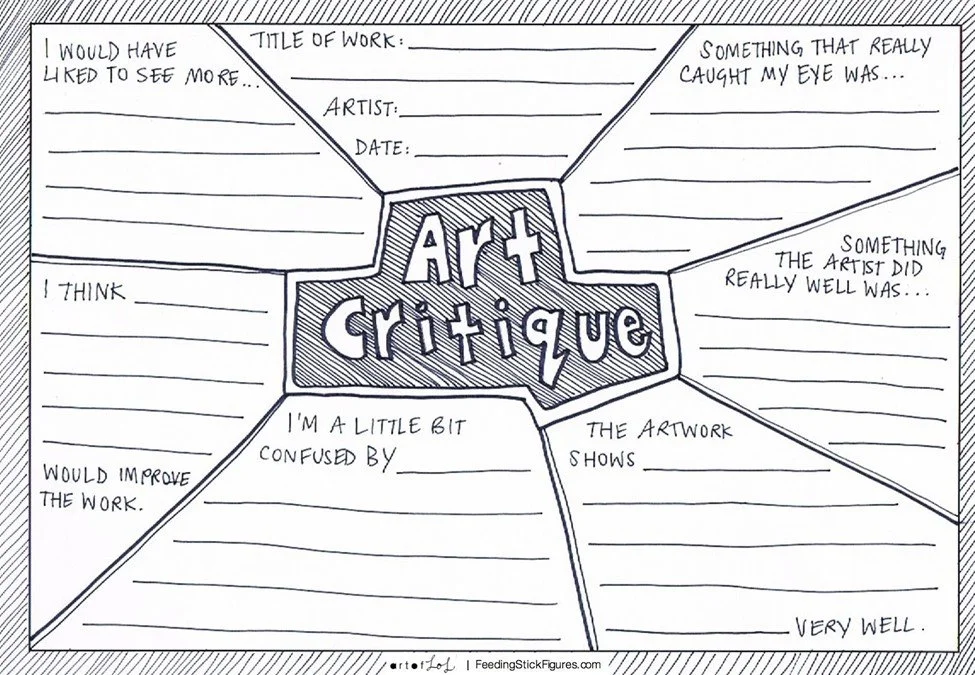
The co-op will use challenge networks (critique nights), collective agreements, and collaborative activities designed to build community and engagement. These intentional group actions will help us innovate by fostering collaboration, discovery-driven learning, and hopefully lead to integrative decisions.
Question-driven mission: What will help us get even more comfortable in our collective group in order to foster kinder and more caring innovations?

challenges:
Some of the challenges I can anticipate in this work include getting the kind of general buy-in and excitement needed around any potential organization…is it interesting enough? Is it current? Is this a concept someone would see value in and want to learn more about? So maybe the biggest challenge at the moment for me is getting beyond my overthinking and imposter syndrome feelings for long enough to believe in it and build it out enough to MAKE SOMETHING HAPPEN!! Potential accommodations I could build in at this moment would be turning to my own personal and professional network for a brainstorm – perhaps planning a fun night where we do a mock critique session with current projects we’re all working on, to see how that looks and feels. I also think I could journal more, and try “living a day in the life of the co-op founder” – creating an agenda and pretending what a day could look like, and actually living it. That experience might motivate and push me to try to build this into my everyday, so it can truly be a reality.
next steps:
I think next steps will include a lot more research on membership associations and collaboratives – perhaps reaching out to local group leaders and asking for a coffee meeting to get their advice and learn about their experiences, what’s challenged and motivated them, etc. I’d like to spend time learning from friends, colleagues, and family about their best experiences in organizations to see what themes come through – interested to see how that may inspire me to keep dreaming…

empathetic accountability:
Practices I can adopt to embrace empathetic accountability:
- Setting realistic and gentle timelines to guide my work
- Giving myself grace about life events that may get in the way of the work
- Communicating openly and honestly with collaborators on projects and progress
Respectful questions my course community could ask?
- What kind of working environment best suits you for creativity?
- Would you like to share any updates or thoughts on your current research?
- What has been the most inspirational moment thus far in your journey with this work?
progress narratives:
I think we should be mindful of the stage we set and the space in which we engage – from subtle details like inviting facial expressions or leaving a door open in a meeting, to major, or more obvious factors, like intentionally encouraging diverse leaders to sit on the steering committee. Additionally, focusing on activities that build connection among members should foster a culture of belonging, which is key to sustaining a healthy and vibrant environment. “A classroom isn’t just a physical place common to all students but a distinctive psychological reality for each student in it.” (Cohen P. 115) Each person’s experience of the co-op will vary.
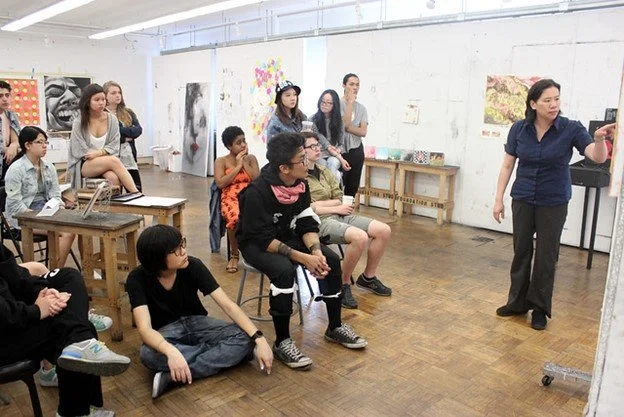
Resource Acknowledgement Practices:
I can envision a physical space, like a bookshelf or display case in the co-op studio, as well as an online resource guide/inspiration board, where members can share items that are inspiring them along with other educational texts, articles, etc. Kind of like our own Museum of Values 😊. I think encouraging acknowledgement practices at the start with all projects will help weave that norm into our organizational culture. I also think that we could invite non-members to join or present work from time to time, to ensure diversity of perspectives and increase awareness of outside the box resources.
Challenges to Progress & Conversations to Address: I worry that we could fall into homogenous thinking, if folks are grouping themselves in interest areas and not challenging each other. Creating a sounding board or review team that offers diverse perspectives and initial reactions to a project, proposal, or concept could combat that groupthink and encourage groups to build their feedback muscles and improve their ability to offer constructive criticism. If we are building a psychologically safe space, hopefully members will invite each other and look forward to hosting “critique nights” or “pushback sessions.” I also think we could build space immediately following a pushback session to perform a “values affirmation” exercise using co-op values from our collective agreement, which could help create a powerful and reflective pause.
Influential Moment: When I was in my mid-20’s, I felt very “behind” when I compared myself to my friends and peers and their professional and educational pursuits. I had a job I wasn’t passionate about, and I didn’t have a master’s degree or plans for one anytime soon. But I had a conversation with a friend during one of my pity parties, and it stayed with me. She reminded me that someone’s job or education level doesn’t define them (something I knew, but needed to hear). She offered that I was always planning our friend hangouts, parties, workouts, and more. She shared that she admired my ability to gather people and introduce friends to each other, and how impactful that was to her own wellbeing. It was the first time I heard someone express that being a “connector” was valuable. She also kind of gave me permission or reminded me that I didn’t have to define myself through my day job. That’s something I knew, but it was a tough time in my adulthood as I watched so many people “pass” me in their career ladders, educational growth, and personal lives (I was attending weddings right and left with no plus one). It was a lot of superficial stuff looking back, but at the time, I felt that so intensely. Having a friend share how much they admired my style of friendship and connection really lifted me up.
I hope that in this networking co-op, I can create that sense of community and support for people to feel like they have a safety net for working on themselves and their goals, or for sharing whatever is on their hearts in a caring setting. I hope that people find lifelong friendships and meaningful collaborations that fuel them through whatever “stuck” career or personal life struggles they may be having. That conversation with my friend (Melinda 😊) gave me a sense of power and pride when I was feeling so fragile.

Potential Gifts: Lifelong connection and friendship, joy, expanded horizons, diversity of thought, energetic and inspirational conversations…
Potential Risks: Cultishness!!! Homogenous thought! Somehow excluding someone unintentionally. Not moving the needle. Playing it safe.
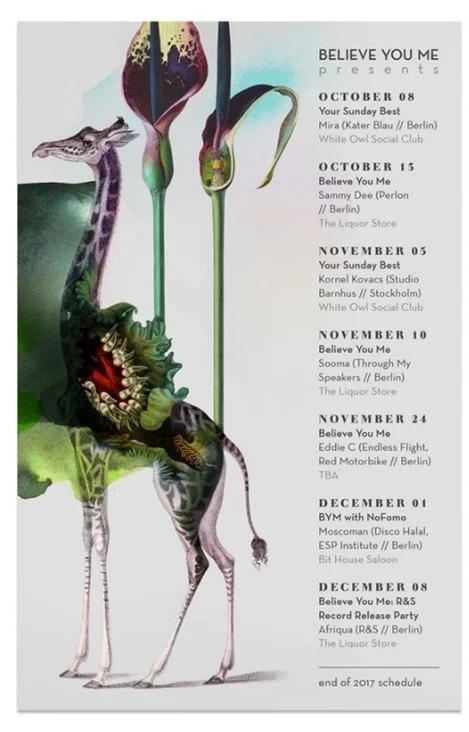


What do we do?
The “Hey, Friend” Networking Collaborative is an organization rooted in service to others. A co-op of individuals focused on building community through thoughtful conversations, mentorship, and motivation. Come for discussion, brainstorming sessions, and skill building. All partners in the co-op are asked to give their full effort in listening and reflecting with kindness and care.
Our vision: Collaborative Care Based in Wholistic Outcomes
Internal Mission: Community care for the individual
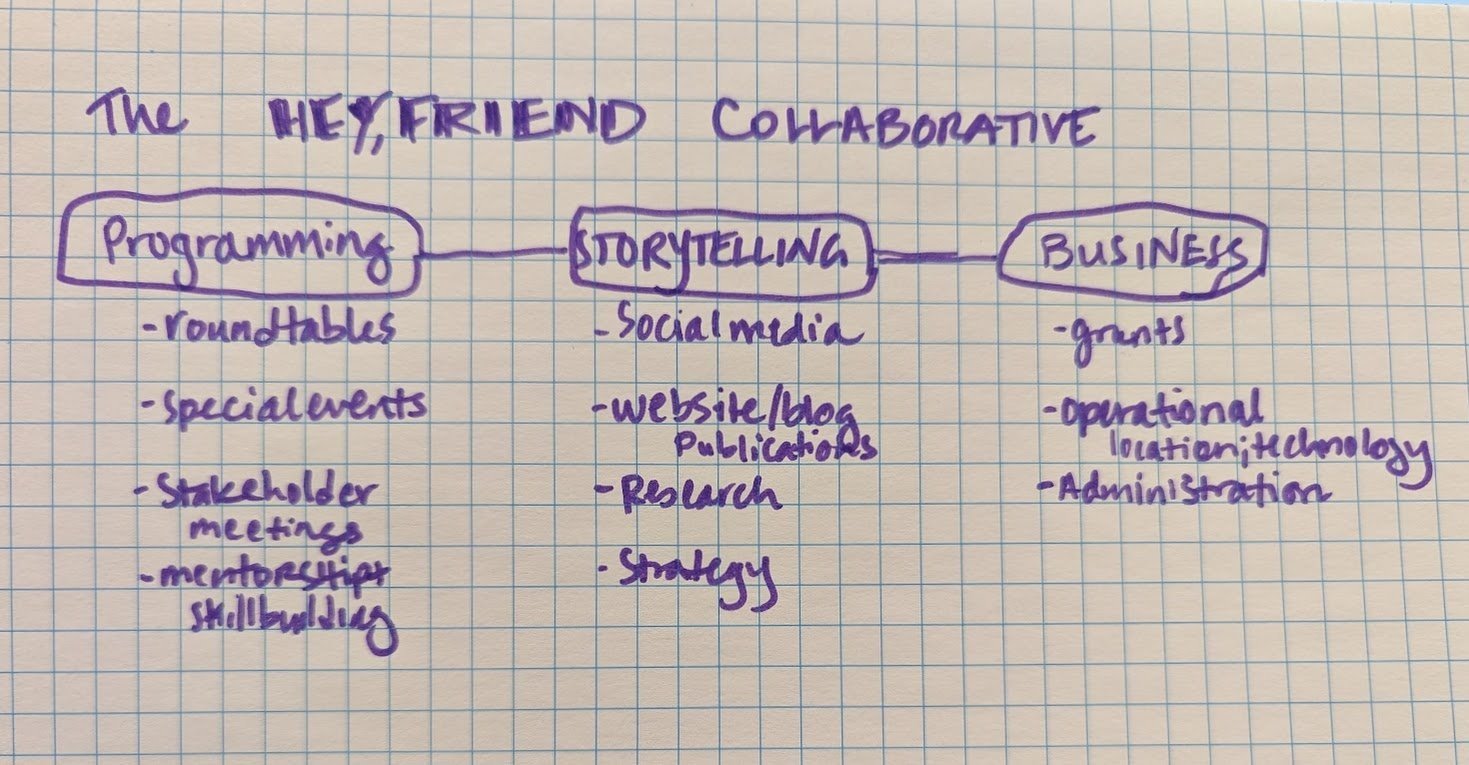
Structure of Hey, Friend: Clusters; groups based on interest/desired expertise; circular – not hierarchical
Purpose/Goals:
Collaborative care for the individual’s needs, dreams, goals & aspirations
Community of care – growth of kindness
Culture: Engaging, collaborative, inclusive, inspirational, fun!
Play at Work: how, where, and when individual & collaborative work/serious play happens at Hey, Friend:
How: in optional and facilitated group conversations & informal networking gatherings;
Where: Virtually and hosted at cafes and small businesses in Philadelphia (to start); in a studio space with open space & thus possibility for different group configurations…
When: Once a month on a weekend day; weekly evenings via online platforms & in spaces of co-op members’ choice;
Individual: One-to-one coaching sessions; offshoots of group conversations; solo activities with after-action reflection prompts…
Collaborative: Group activities – games / icebreakers (Extreme Rock Paper Scissors, 9 why’s, liberating structures!); brainstorm sessions; theme nights!
Worldbuilding – Hey, Friend!
Short-Term:
Building out an infrastructure for Hey, Friend! – this will include hosting discussions and small focus groups with close colleagues, mentors, family, and book club friends to test and iterate the design of group discussion. These conversations will reflect a diversity of perspectives and provide immediate feedback opportunities.
Continued work developing the vision, mission, and business strategy – operationalizing the organizational map. Consideration of the bigger picture – what are we as a community longing for? How do we build it together? Experimenting by living a day in the life as the founder of Hey, Friend and journaling about the experience.
Mid-Term:
Plan and execute a series of small events to develop and build upon our community – potential co-op members and mentors. These events will include skill-building workshops, community walks, and parties. We will develop relationships with local businesses by supporting their work and hosting events in their spaces – building scaffolding for future events together.
Strategic planning process will culminate in a one year birthday bash – inviting all who have helped and held space along the way. Formal and fun unveiling of shared goals, mission, vision, and reflections on the first year of Hey, Friend!
Long-Term: Ripple Effect
A larger, more contextual relationship to who the individuals in the co-op are; their needs, dreams, goals, and aspirations reflected in a body of work that is a beautiful and complex map of lifelong friendships and the stories of our lives: change, children, community. Meaningful partnerships, successful business relationships, lasting impact on local economy…
Innovation Strategy
Hey, Friend! aspires to build community through thoughtful conversations and collective programming. We want to build a kinder, more caring world…disrupting corporate grind culture by providing creative networking, mentorship, activities, and reflective spaces. Our co-op will innovate through collaboration – celebrating the diverse perspectives of each member.
Beyond a shared purpose, the psychological safety of group work will be key for growth; a community agreement should be developed and nurtured throughout the organization’s lifecycle – developing, refining, and iterating group norms.
One method to cultivate an innovative environment is taken from Creative Genius and Belonging– the convening of a charette with various co-op stakeholders to encourage creative abrasion, agility, and resolution.
Continued research and consultation with leaders in the space of belonging, such as Geoffrey Cohen, will be relevant to advancing the work on the Hey, Friend! Co-Op. Applying takeaways from industry case studies and scholarly research into the work of the networking collaborative will keep us growing and constantly learning.
Journal #2!
Reflections - where do I see this organization?
One Month/Short-Term:
Beginning to brainstorm the actual infrastructure of this little company
Hosting small focus groups with close colleagues, mentors, family and book club friends
Framing out what a day in the life of me as founder of this co-op could look like
Develop the mission - serving people how? with whom? Perhaps doing the “9 whys” exercise to dig deeper
One Year/Mid-Term:
Offer free events as a way to “recruit” collaborators
Build relationships with local businesses - opportunity to support their work or host events in spaces
Create strategic and meaningful goals guided by mission & initial feedback from stakeholders
Celebrate and reflect on one year of the co-op
One Decade/Long-Term:
A body of work that looks like a network of folks with lifelong friendships and stories – children, change, community
Meaningful collaborations and successful business relationships; lasting impact on local partners
Ripple effects!
Walking Thoughts: After thinking about these questions (short/mid/long goals) - thoughts that bubble up include - “can I really do this?” “how do I make money doing this?” and so on. I think knowing growth takes time, that this can be a “passion project” and it can take as long as it needs to take, is OK. I don’t actually have to make money from this. Satisfaction that we are making change, creating space for people to seek out collaborative partnership and mentorship, is powerful. With that momentum, a low-cost, accessible membership structure could emerge.
In communicating the purpose, goals, and culture of this co-op to a new member of the team, I would highlight the importance of a collaborative care network not just focused on professional outcomes. This is a place one can join and honor their big ideas, ask for help, ask for accountability, or come to listen and be inspired. We are an organization built on trust and care.
The sample image (right) of a social network map shows how our relationships might begin to form and grow from different connections.
To encourage collaborative work and community building, I will encourage anyone affiliated with the co-op to develop and share their personal mission statement in their website bio - similar to the homework Mitchel Adler gives in his presentation. This activity itself and the act of sharing it with the group will help lay a foundation of mutual respect and trust.
“People are willing to face the personal challenges of innovation when they feel part of a community engaged in something more important than any of them as individuals and larger than any could accomplish alone.” (Collective Genius, ch 4)

An organizational narrative that resonates with me is “We Care A Lot” - borrowed from the 1985 song by Faith No More. This resonates with me personally (as someone with “big feelings”), it’s got a music reference, and it’s the bigger picture - building a co-designed space with unlimited capacity for caring.
I will practice opening my mind by doing more deep thinking on why I want to do this work. Reading Viktor Frankl’s Man’s Search for Meaning was a big aha moment personally - really considering the concept of existential dread, and letting the pull toward doing meaningful work drive my exploration into this collaborative. I want to feel connected and seen, and I truly believe most people want that too.
A decadent banana cream pie from Smitten Kitchen will feed my creative brain :-)
https://smittenkitchen.com/2022/03/banana-cream-pie/?utm_source=substack&utm_medium=email
Journal Entry #1…
A dream organization I think about often is a collaborative networking co-op…full of people who mentor each other in their areas of expertise - a place you could workshop ideas for businesses, get advice on personal or business issues, and just go to get energized by being around people who love what they do.
Draft vision statement: “Welcome to the party!”
This space matters to me because I love being in community with others; feeling safe enough to ask for help, to share something I’m proud of or excited about, and I love the creativity that comes from sharing my ideas and someone else adding their twist. I would want someone to be able to show up on any given day and feel they had a network of people supporting them through their big ideas. I’d want it to become someone’s “home base.”
I am in a book club that’s essentially this dream organization full of women with different life experience…we all come together for fun, to talk about a book…but the magic is in the side conversations and the ways we’ve been able to elevate & support each other - encouraging someone to apply for a job, helping someone find a contractor, new moms getting hand-me-down clothes, or advice from the one pediatrician in the group, to leave a troubled relationship or to stay and do the hard work, to unpack a new place or to help with funeral arrangements…we’ve grown in beautiful ways. The dream org would almost be like this book club network.
Strategies to work on might include how to sort interest groups to maximize creativity; organizing how and when people meet; what programming needs to be created that will encourage psychological safety, so people want to share in the first place; how to build the network; criteria for joining/participating…and so on. Also - I will need to frame out how this networking collaborative actually differs from a friend group! Or…how it is?
Linda Hill talked about “building an organizational context that will allow people to be willing and able to engage in what is really hard work.” I found that so thoughtful - mindful of the emotional heft innovative work can be. And her description of innovation - simply anything that is new and useful - reminds me that I don’t have to be some technological genius to be doing innovative work. To prioritize a culture of community and build a space for people to come and be supported is already innovative.
Next steps will be vision boarding and brainstorming what this space looks like in real life. Virtual? Hybrid? Physical space only? If I pretend I already have a leadership team - what are their roles? What kind of staffing do I need? Questions might include workshopping this on my book club friends, finding out how they interpret what “networking collaborative” or “networking co-op” even means.
During this work - I will care for myself by being realistic about time demands…keeping at it, even when I’m stumped, with work time blocks scheduled out in advance. I will need to prioritize good sleep, exercise, and meals to ensure I’m up for the challenge.

I chose this image because 9 to 5 is an empowering movie where three women caught in the doldrums of toxic office culture take charge and make changes that transform their whole organization…and Lily Tomlin kind of looks like my mom :-)
A song I will use as an anthem is “Every 1’s a Winner” by Hot Chocolate - it makes me feel carefree, happy, and it makes me want to dance. I feel like myself when I hear that song - and my goal with this networking co-op is to empower people to feel their best.